Source Ice Cream Truck for Candy, Donut, and Biscuit Sales
Source ice cream truck units from 30 verified suppliers. Compare mobile food trailers with stainless steel working tables, double sinks, and custom designs for outdoor vending of ice cream, cold beverages, and snacks; compare the available evidence and request quotations based on your requirements.
Key considerations
Products List


Comprehensive Sourcing Guide
Ice Cream Truck Sourcing Guide
Procuring a mobile food unit for ice cream service requires distinguishing between disposable serving ware and the heavy-duty vehicle infrastructure needed for operations. The market presents a wide spectrum of options, ranging from small-scale disposable containers designed for cold beverages to fully equipped stainless steel food trucks capable of complex food preparation. Buyers must first clarify whether their immediate need is for the consumable packaging or the mobile kitchen vehicle itself, as the technical requirements and supply chains for these two categories differ significantly.
Understanding the specific operational model is critical before engaging with suppliers. Some listings highlight semi-automatic or manual machinery integrated into mobile trailers, while others focus on the packaging materials like PE or PLA that are essential for serving the product. A successful procurement strategy involves mapping the intended menu, such as donuts, biscuits, or American pizza, to the correct equipment tier. This ensures that the purchased assets align with the actual volume and type of food service the business intends to provide.
Product Scope and Observed Listing Signals
The observed product listings reveal a distinct bifurcation in available inventory, separating disposable serving solutions from permanent mobile kitchen units. On one side, there are round, plain or printed containers in green, specifically designed for ice cream and cold beverages, with capacities ranging from 4oz to 32oz. These items are characterized by their leak-proof construction and are often packaged in export cartons, serving as the immediate interface between the vendor and the consumer.
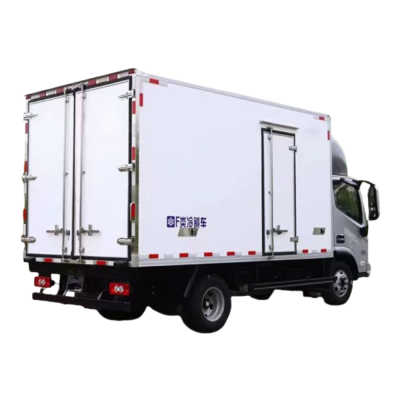
On the other side of the spectrum, the listings feature substantial mobile food trailers and trucks constructed from stainless steel, fiber glass, and galvanized sheets. These units are marketed for multifunctional food service, including applications for popcorn, chocolate, and chips, with dimensions often exceeding five meters in length. Buyers should note that these vehicles come with specific configurations, such as double sinks and multiple electrical sockets, indicating a high level of integration for professional food preparation rather than simple vending.
Technical Specifications to Verify
When evaluating the mobile food units, buyers must rigorously verify the physical dimensions and material composition to ensure suitability for their intended location. The observed data indicates standard sizes around 515215225cm or 500200230cm, constructed from durable materials like stainless steel and galvanized sheets. It is essential to confirm that the working tables are stainless steel and that the water systems include the necessary double sinks and drainage capabilities to meet hygiene standards for food service.
For the disposable serving ware, the technical focus shifts to material safety and printing capabilities. The containers are noted to be made from PE or PLA, with production techniques involving offset printing for custom designs. Buyers should verify that the set size corresponds to the required shape, typically round, and confirm that the customization options allow for specific branding. Additionally, checking the automatic grade of the machinery, whether semi-automatic or manual, is vital for understanding the operational workflow and labor requirements.
Compliance and Safety Documentation
Navigating the certification landscape for mobile food units requires careful attention to the specific standards listed in the product data. The observed listings mention a variety of certifications including CE, ISO, DOT, and ISO/Ts16949, which are critical for vehicles intended for road use and food handling. Buyers must request valid documentation for these specific marks to ensure the vehicle meets both transportation safety regulations and food service hygiene standards in their target market.
For the disposable packaging components, the compliance focus is on material safety and third-party testing. The data indicates that products undergo testing by SGS and BV, with certifications from BV and TUV also present in the listings. Procurement teams should verify that the specific batch of PE or PLA containers holds these test results to confirm they are safe for direct food contact. Ensuring that the supplier can provide up-to-date test reports for the specific model numbers, such as JD-XS or YT-FS500, is a non-negotiable step for regulatory compliance.
Cost Drivers and Commercial Terms
The cost structure for sourcing these items is heavily influenced by the complexity of the unit and the level of customization required. For the mobile food trucks, the price is driven by the extensive material usage, such as stainless steel and fiber glass, and the integration of complex systems like water taps, sockets, and brake systems. Buyers should anticipate that features like custom colors, additional sinks, or specialized brake systems will incur extra costs, significantly impacting the final commercial terms.
In contrast, the pricing for disposable containers is driven by volume, material type, and printing complexity. The observed price range spans from very low unit costs to higher values for specialized or bulk orders, with minimum order quantities varying widely from single units to thousands. Buyers must negotiate based on the specific standard sizes, such as 8oz or 16oz, and clarify whether the export carton packaging is included in the quoted price. Understanding the MOQ thresholds is essential for managing cash flow and inventory levels effectively.
Supplier Qualification and Quality Control
Establishing a reliable supply chain for mobile food trucks requires verifying the supplier's manufacturing capacity and maintenance protocols. The data suggests that some units are designed for easy cleaning and are built with robust materials to withstand outdoor use. Buyers should assess the supplier's ability to provide detailed maintenance guides and confirm that the machinery, whether semi-automatic or manual, is built to last in a high-traffic food service environment.
For the packaging suppliers, quality control hinges on the consistency of the printing and the integrity of the leak-proof seals. Since the products are designed for ice cream and cold beverages, any failure in the seal or print quality can lead to product loss and brand damage. Buyers should request samples to verify the "Plain" or "Printed" design quality and ensure that the "Custom Design" capabilities meet their branding standards before committing to large orders.
Long-Term Procurement Checks
Sustaining a successful operation with mobile food units involves regular checks on the vehicle's mechanical and sanitary systems. Buyers should establish a schedule for inspecting the water system, electrical sockets, and drainage to prevent operational downtime. Given the outdoor recommended use, it is also prudent to monitor the condition of the stainless steel and galvanized sheets for signs of wear or corrosion that could compromise the structural integrity of the food truck.
For the disposable packaging, long-term procurement checks should focus on supply chain consistency and material availability. Buyers need to ensure that the supplier can consistently deliver PE or PLA containers that meet the specified standards and certifications over time. Regular audits of the supplier's production lines and test results will help maintain the quality of the serving ware, ensuring that the brand reputation remains intact as the business scales its ice cream and cold beverage operations.
FAQs
How can buyers customize an ice cream truck for their food service needs?
Customization is available on listed ice cream truck models. Buyers can specify exterior colors including red, green, black, or other custom options, and configure interior features such as the working table, water system with double sinks, and electrical layout. Color, branding, and layout requests should be confirmed with the supplier before ordering, since lead times and packaging details vary by configuration.
What certifications should ice cream trucks have for food service operation?
Relevant certifications commonly listed for these trucks include CE, ISO, and DOT, with some models also referencing ISO/TS16949. CE relates to equipment safety compliance, while DOT applies to road-use requirements. Certification coverage can differ between models, so buyers should request current certificate copies and confirm which approvals apply to the specific truck configuration being purchased.
What sizes and dimensions are available for ice cream truck models?
Listed models include dimensions such as 515*215*225cm and 500*200*230cm, with a smaller unit at 2500*2000*205mm. These sizes affect kitchen working space, equipment capacity, and towing requirements. Buyers should measure their intended operating sites and local road regulations before choosing, and confirm the exact external and internal dimensions of the model they plan to order.
Can ice cream trucks be used for other food types besides ice cream?
Yes. Listed applications for these trucks and trailers include popcorn, chocolate, candy, donuts, biscuits, ice cream, chips, pizza, and cold beverages. Stainless steel working tables and multifunctional layouts support varied menu setups. Buyers planning mixed menus should confirm power supply, sink configuration, and ventilation fit their equipment, since usage beyond ice cream and cold beverages may require adjusted fittings.
How is the water system configured in these ice cream trucks?
Trucks commonly include a water system with double sinks, and a smaller listed unit specifies two sinks, one water tap, and included drainage. This setup supports handwashing and food preparation hygiene requirements for mobile food service. Buyers should verify tank capacities, plumbing materials, and whether hot water capability is needed for their menu before finalizing the order specification.
How are ice cream trucks packed and shipped for export?
Export packaging options listed include exported wooden packaging and standard exported cases, with export cartons used for related smaller products. Wooden packing protects the body, glazing, and installed equipment during long-distance transport. Buyers should confirm the packing method, container loading arrangement, and who handles port pickup with their supplier, since these details affect total landed cost and delivery condition.
Can buyers add a brake system or electrical fittings to a mobile food trailer?
Yes, a brake system can be added at extra cost on applicable trailer models. Electrical fittings typically include four to six sockets, which support freezers, soft serve machines, and lighting. Buyers should confirm socket count, voltage, and whether customized voltage is required for their region. Adding brakes and electrical upgrades increases cost, so these should be specified before production begins.